

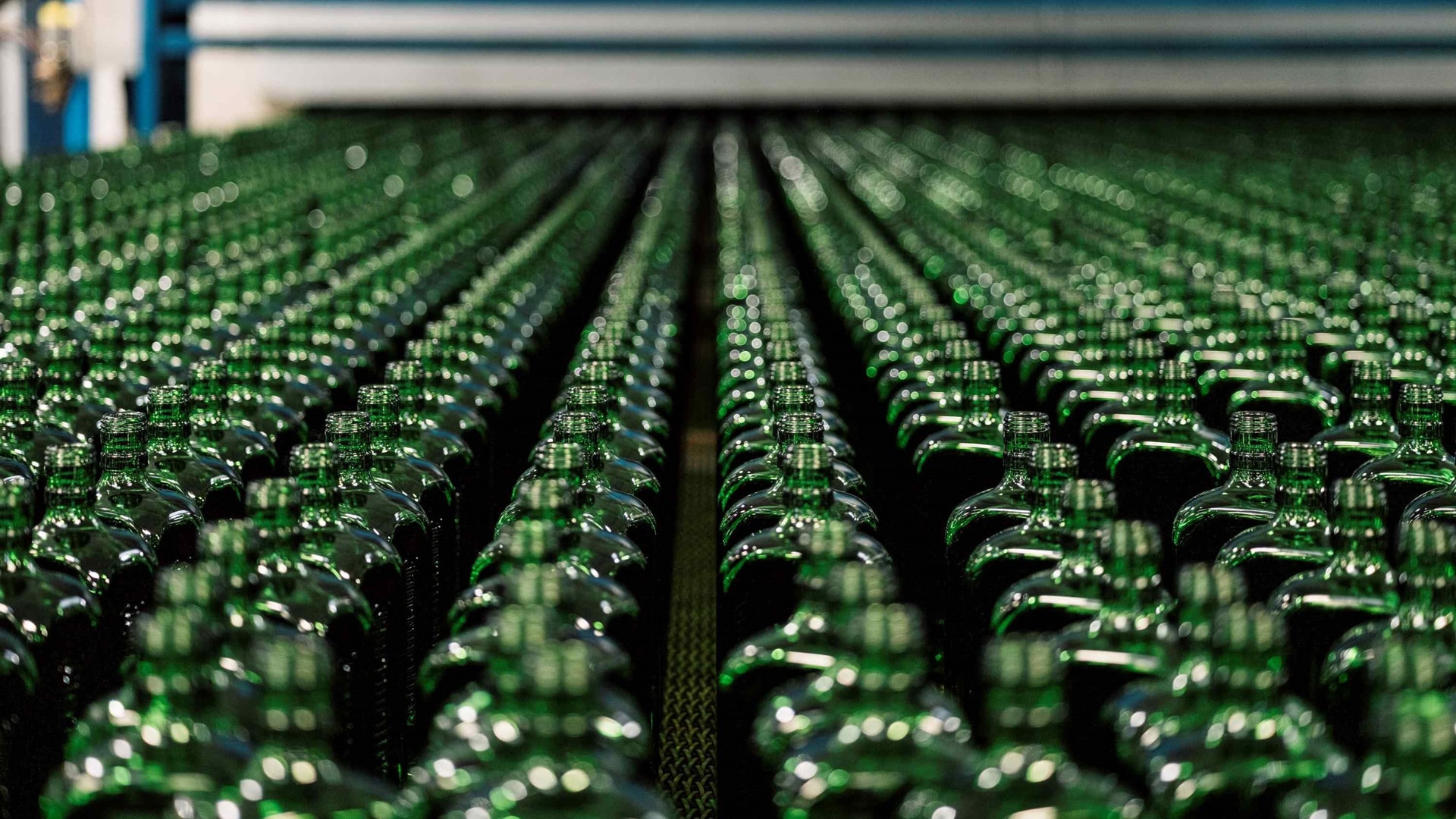
Wolfenbüttel/Obernkirchen, 18 March 2026 — German spirits maker Jägermeister has begun producing some of its glass bottles using hybrid furnace technology, becoming the first spirits producer to use the technology to manufacture green coloured glass. Initial results indicate a reduction in carbon emissions from the production process of around 60 per cent per bottle compared with conventional glass manufacturing*.
From March, around 14 million of the company’s iconic 0.7-litre bottles will be manufactured at the Ardagh Glass Packaging facility in Obernkirchen using the NextGen Furnace, which combines electricity and natural gas in the glass-melting process. “With the start of commercial production, Ardagh’s technological innovation has become a reliable part of our supply chain,” said Carsten Doliwa, vice-president for procurement at Mast-Jägermeister. He added that the move represents a significant step towards achieving the company’s sustainability targets.
Packaging is a major source of emissions for the spirits producer. Around 30 per cent of Jägermeister’s emissions arise from bottle manufacturing, while more than 90 per cent occur across its wider supply chain. The company aims to halve emissions from primary packaging by 2030.
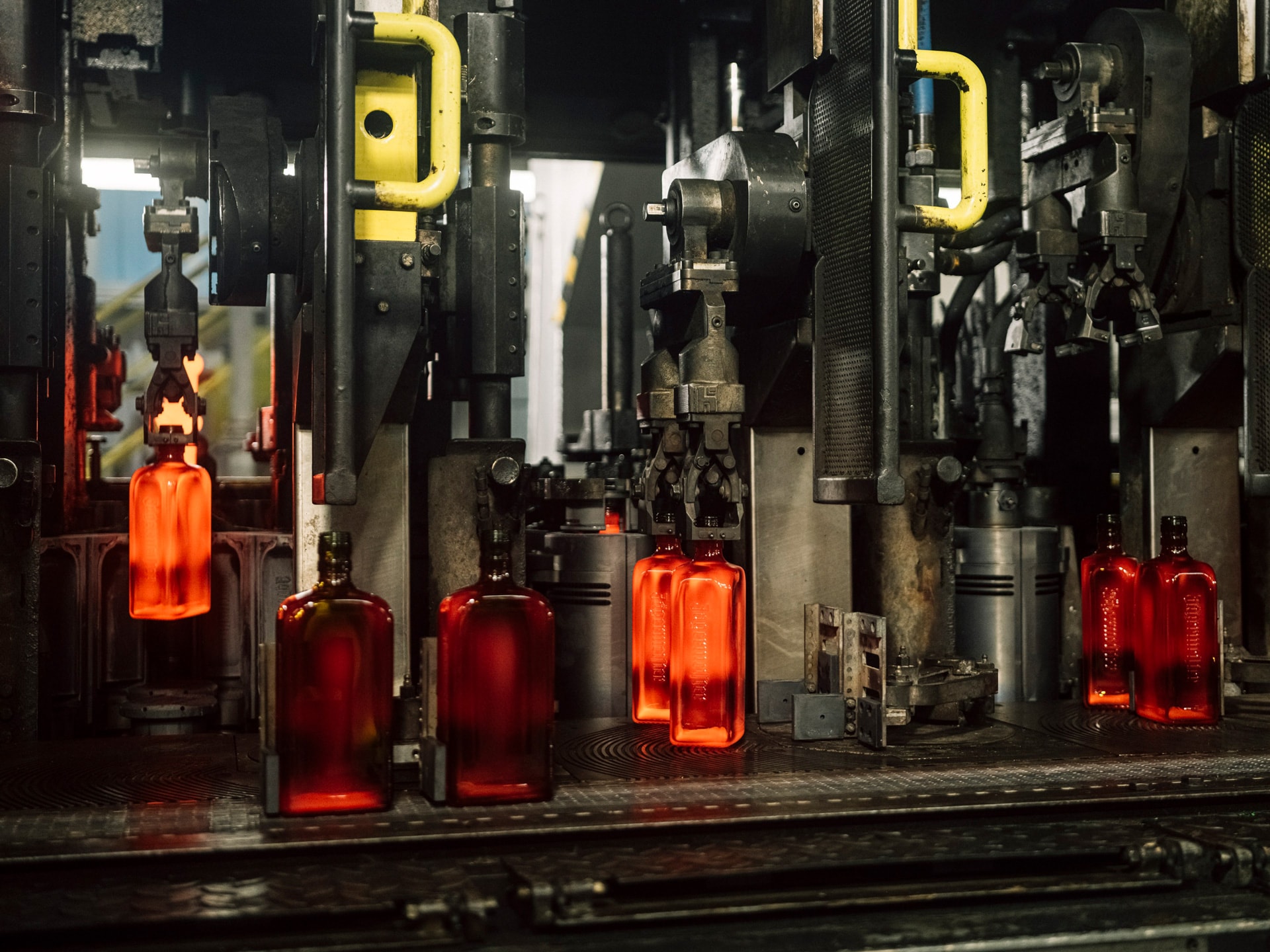
The hybrid furnace technology has been developed by long-standing partner Ardagh Glass Packaging-Europe. Unlike conventional furnaces that rely largely on fossil fuels, the new furnace uses 42 bottom electrodes and melts glass using approximately 60 per cent electricity (from 100% renewable sources), with the remainder supplied by natural gas. “The NextGen Furnace marks an important step for the glass industry,” said Joris Goossens, R&D project manager at Ardagh. “It shows that electrically assisted melting can meet the quality requirements of large-scale industrial glass production.”
*Based on initial analysis of the first production of green Jägermeister bottles, which has been peer reviewed and is pending verification.